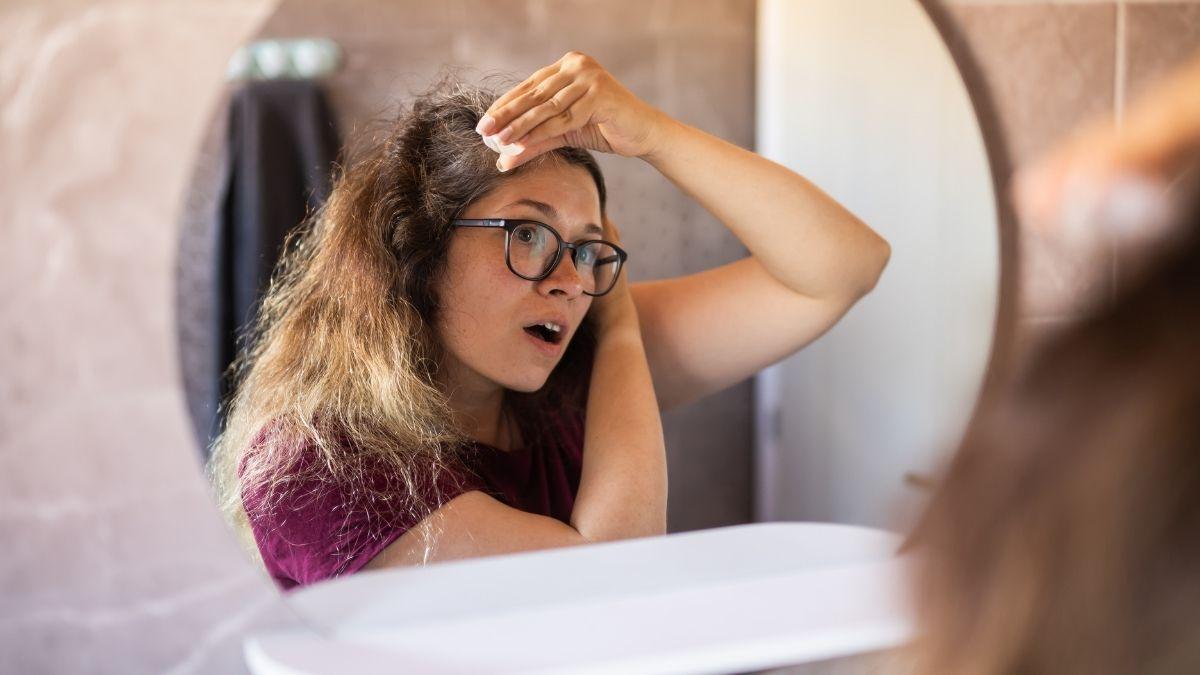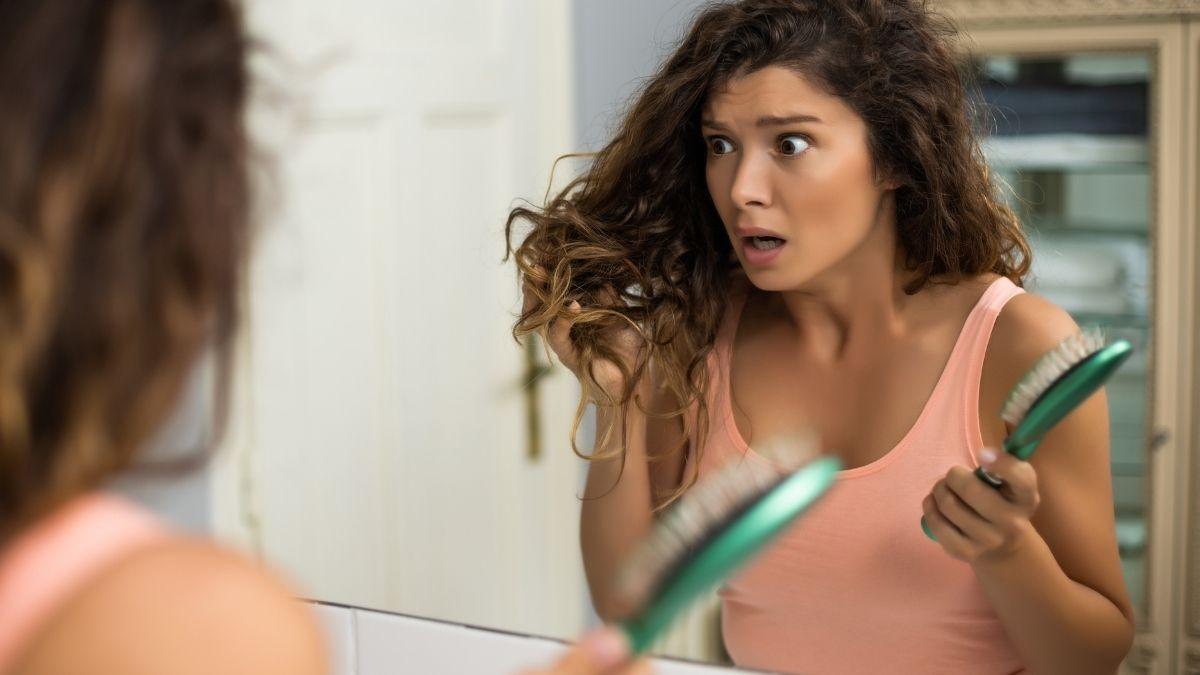
If you’ve started noticing thinning hair or a widening part, you’re not alone. Female hair loss affects millions of women, and one of the most widely recommended treatments is minoxidil.
As an FDA-approved topical solution for female pattern hair loss, minoxidil has helped many women slow hair shedding and encourage new growth with consistent use.
While results don’t happen overnight, understanding how minoxidil works and how to use it properly can help you set realistic expectations and get the most from your treatment.
What Is Minoxidil?
Minoxidil is a topical medication that helps promote hair growth and slow the progression of certain types of hair loss. Interestingly, it was originally developed as a medication for high blood pressure before researchers discovered its ability to stimulate hair growth.
Today, minoxidil is commonly recommended for women experiencing female pattern hair loss, also known as androgenetic alopecia.
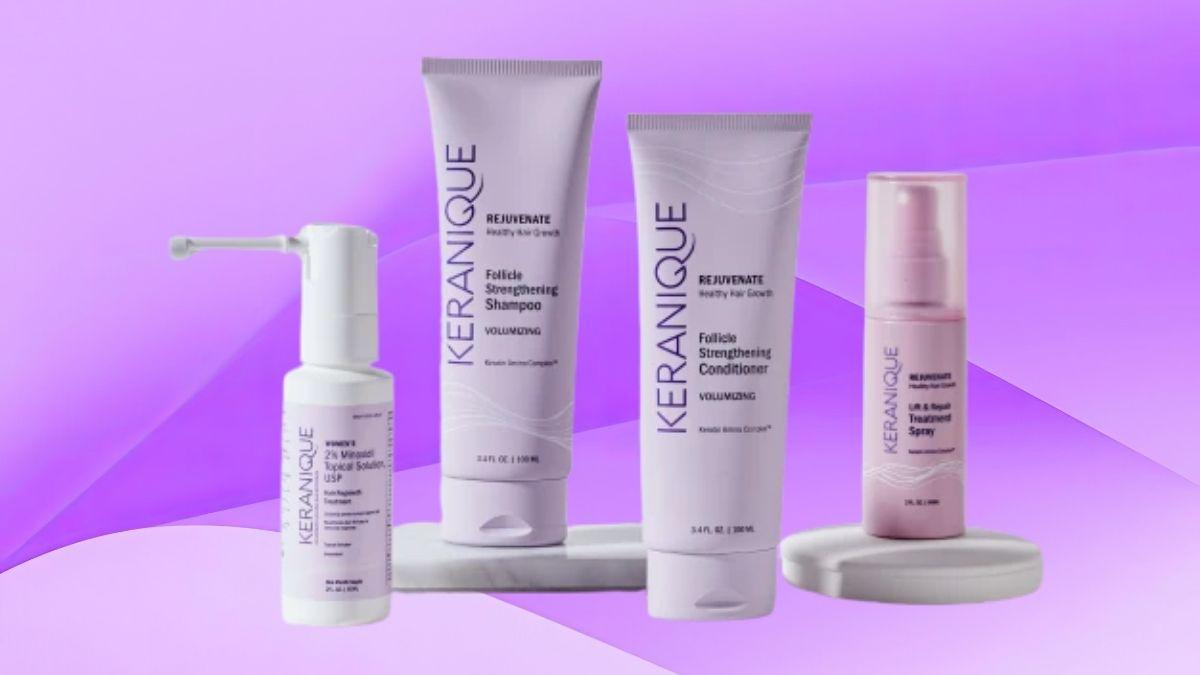
For women, it is generally available in:
- 2% topical solution
- 5% topical foam or solution
Your healthcare provider can help determine which formulation is most appropriate for your needs.
How Does Minoxidil Work?
Although researchers are still studying its exact mechanism, minoxidil is believed to improve the hair growth cycle in several ways.
It may help:
- Extend the active growth (anagen) phase of hair
- Increase blood flow to hair follicles
- Revitalize shrinking hair follicles
- Encourage thicker, healthier hair strands
- Reduce excessive shedding over time
With regular use, these effects can help improve overall hair density in women with certain types of hair loss.
Who Can Benefit from Minoxidil?
Minoxidil works best for women in the early to moderate stages of hereditary hair thinning.
You may be a good candidate if you have:
- Gradual thinning on the top of the scalp
- A widening part line
- Female pattern hair loss diagnosed by a healthcare provider
- Ongoing hair thinning without significant scarring
However, minoxidil may be less effective if your hair loss is caused by certain medical conditions, severe scalp disorders, nutritional deficiencies, or long-term inactive hair follicles. Identifying the underlying cause of your hair loss is important before beginning treatment.
How to Apply Minoxidil Correctly
Consistency plays a major role in achieving the best possible results.
For proper application:
- Apply the recommended amount directly to a clean, dry scalp.
- Follow the product instructions regarding daily use.
- Gently spread the solution over the affected areas.
- Allow the product to dry before washing your hair or using styling products.
- Wash your hands thoroughly after application.
Avoid applying more than the recommended amount, as this will not speed up hair growth and may increase the risk of side effects.
When Will You See Results?
Hair regrowth takes time, so patience is essential.
A general timeline may look like this:
- First 2 to 8 weeks: Some users notice temporary increased shedding as older hairs make way for new growth.
- Around 3 to 4 months: Early signs of regrowth may begin to appear.
- After 6 months: Many women notice improved hair density and reduced thinning with consistent use.
Results vary from person to person, and continued use is typically necessary to maintain improvements.
Possible Side Effects
Minoxidil is generally well tolerated, but mild side effects can occur.
Some women may experience:
- Scalp irritation
- Dryness or flaking
- Mild itching
- Temporary increased shedding
- Unwanted facial hair growth if the product spreads beyond the scalp
If you develop severe irritation, swelling, dizziness, or other concerning symptoms, stop using the product and consult your healthcare provider promptly.
Tips for Better Hair Regrowth
While minoxidil can be an effective treatment, combining it with healthy habits may improve your overall hair health.
Consider these tips:
- Use the treatment consistently as directed.
- Eat a balanced diet rich in protein, iron, and essential vitamins.
- Avoid excessive heat styling and harsh chemical treatments.
- Practice gentle hair care to minimize breakage.
- Manage stress through regular exercise, adequate sleep, or relaxation techniques.
- Speak with a healthcare provider if hair loss worsens or doesn’t improve.
Stay Consistent for Long-Term Results
Minoxidil remains one of the most trusted treatments for female pattern hair loss because it has been clinically studied and shown to support hair regrowth in many women. While it isn’t an instant solution, consistent application and realistic expectations can make a meaningful difference over time.
If you’re experiencing ongoing hair thinning, talk with a healthcare professional to determine whether minoxidil is appropriate for your situation. When combined with a healthy lifestyle and proper hair care, it may help you maintain fuller, healthier-looking hair for the long term.