Hair loss doesn’t usually happen overnight. For many women, it begins with subtle changes that are easy to overlook—a wider part, a thinner ponytail, or more hair left behind after brushing. Recognizing these early warning signs can make a significant difference because treatment is often most effective before hair follicles become severely affected.
If you’ve noticed changes in your hair’s thickness or growth, here are seven signs of female pattern hair loss (FPHL) that deserve your attention.
What Is Female Pattern Hair Loss?
Female pattern hair loss, also known as androgenetic alopecia, is the most common type of hair loss in women. Unlike temporary shedding caused by stress or illness, FPHL develops gradually and is largely influenced by genetics and hormonal factors.
Rather than creating bald patches, it typically causes progressive thinning across the top and crown of the scalp while the frontal hairline usually remains intact.
1. Your Part Line Is Becoming Wider
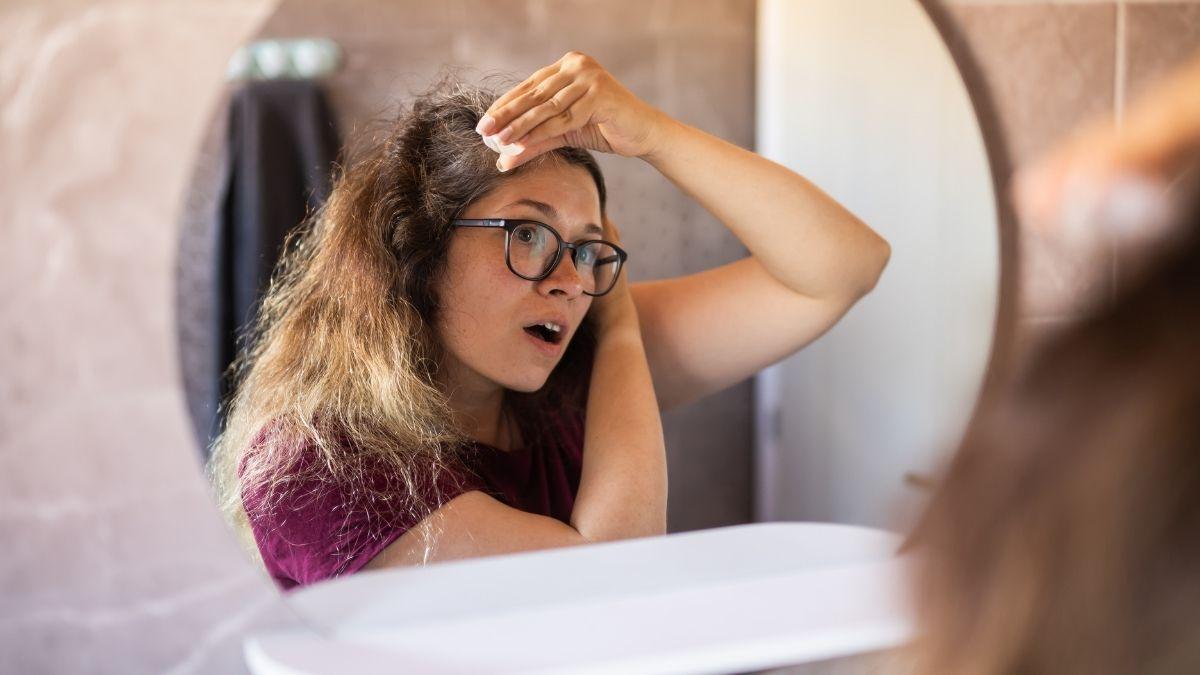
One of the earliest signs of female pattern hair loss is a gradually widening part.
As hair density decreases, more of your scalp becomes visible when you style your hair the way you normally do. Comparing photos taken under similar lighting over several months can help you determine whether the change is becoming more noticeable.
2. Thinning Around the Crown
Hair thinning often begins at the crown because this area is especially sensitive to hormonal changes associated with androgenetic alopecia.
You may notice:
- Reduced volume on top of your head
- Hair that appears flatter than usual
- Increased scalp visibility under bright lighting
Checking the crown periodically with a handheld mirror can help you monitor changes over time.
3. Your Ponytail Feels Thinner
Many women first recognize hair loss simply by holding their ponytail.
If your ponytail feels noticeably smaller than it once did, it may indicate an overall reduction in hair density rather than normal daily shedding.
Tracking your ponytail’s thickness every few months can help you identify gradual changes that might otherwise go unnoticed.
4. You’re Shedding More Hair Than Usual
Losing between 50 and 100 hairs each day is considered a normal part of the hair growth cycle.
However, you should pay closer attention if you consistently notice:
- Large amounts of hair in the shower
- Excessive strands on your pillow
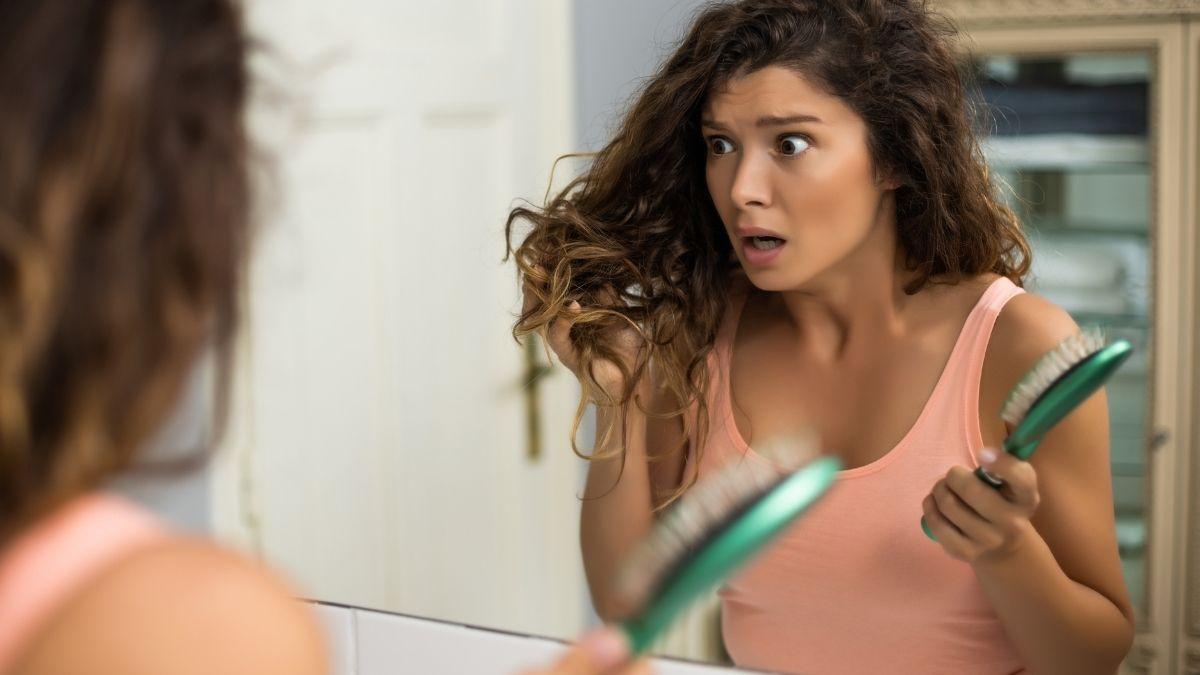
- More hair collecting in your brush
- Increased shedding during routine styling
Persistent shedding lasting several weeks deserves further evaluation.
5. Your Hair Doesn’t Grow Like It Used To
Female pattern hair loss doesn’t only reduce the number of hairs on your scalp—it can also shorten the growth cycle.
As a result, you may notice:
- Hair reaching shorter lengths than before
- Slower overall growth
- More frequent breakage
- Difficulty achieving the hairstyles you previously wore
Hair that once grew long but now seems to stop at the shoulders may be experiencing shortened growth cycles.
6. Your Scalp Is More Visible
As individual hairs become finer, your scalp may become easier to see, particularly under bright lighting.
This increased visibility often appears:
- Along the part line
- At the crown
- Across the top of the scalp
Unlike some other forms of hair loss, female pattern hair loss usually does not create completely bald patches.
7. Your Hair Feels Finer and Breaks More Easily
Hair follicles affected by androgenetic alopecia gradually produce thinner hair strands.
You may notice:
- Hair feels softer but less substantial
- Increased breakage while brushing
- Short, broken hairs throughout your hairstyle
- Reduced overall fullness
Although breakage alone doesn’t confirm female pattern hair loss, it can contribute to hair that appears thinner over time.
When Should You See a Healthcare Professional?
If you’ve noticed several of these changes over the past two to three months, scheduling an evaluation with a dermatologist or healthcare provider is a good next step.
You should seek prompt medical advice if you experience:
- Sudden or severe hair loss
- Patchy bald spots
- Scalp pain or inflammation
- Hair loss accompanied by fatigue, unexplained weight changes, or other health concerns
A professional evaluation can help determine whether your hair loss is caused by female pattern hair loss or another underlying condition.
Treatment Options That May Help
Treatment recommendations depend on the underlying cause of your hair loss.
Common options include:
- Topical minoxidil: An FDA-approved treatment that may help slow hair loss and encourage regrowth in women with female pattern hair loss.
- Prescription medications: In some cases, healthcare providers may recommend additional treatments based on your medical history.
- Healthy nutrition: Adequate protein, iron, zinc, and essential vitamins help support healthy hair growth.
- Gentle hair care: Limiting heat styling, avoiding tight hairstyles, and reducing chemical treatments can help minimize unnecessary breakage.
Early intervention often provides the best opportunity to maintain existing hair and support future growth.
Don’t Ignore the Early Signs
Female pattern hair loss often develops slowly, making it easy to dismiss the earliest changes. Paying attention to a widening part, reduced volume, increased shedding, or slower growth gives you the opportunity to act before thinning becomes more advanced.
If you recognize these warning signs, don’t wait for them to worsen. Speaking with a healthcare professional can help identify the cause of your hair loss and guide you toward treatment options that best fit your individual needs.
With early action and consistent care, many women can successfully manage hair thinning and support healthier, fuller-looking hair.