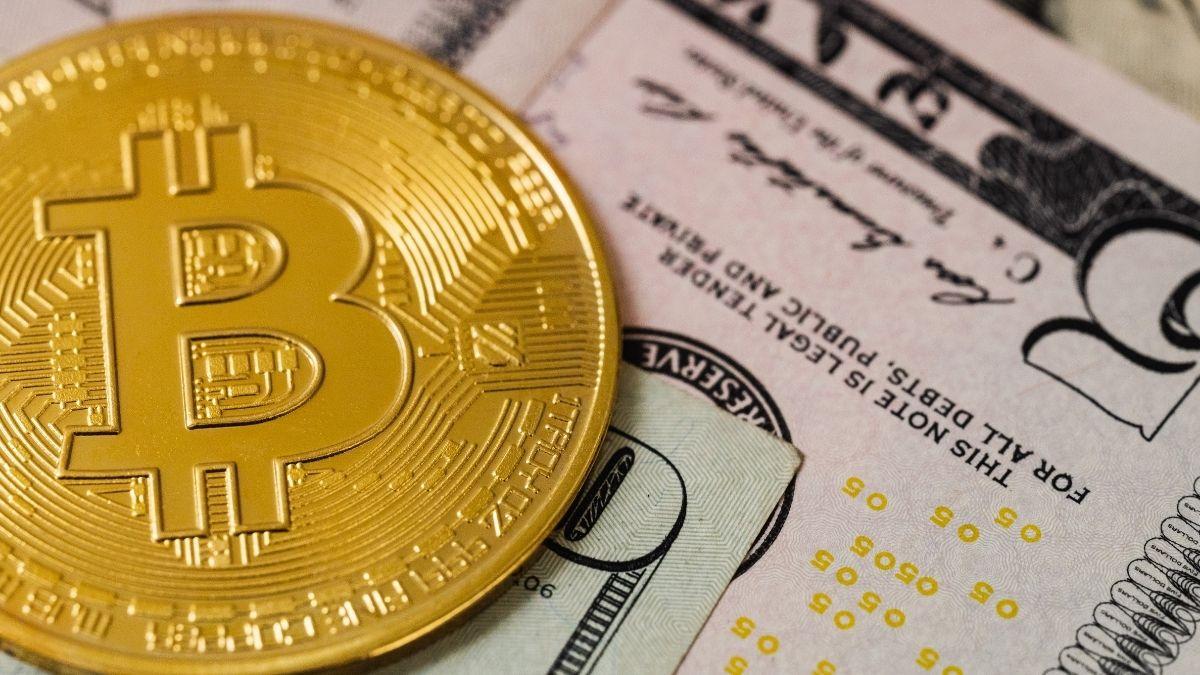
MoneyGram’s “Where Cash Meets Crypto” approach is built for a reality many people live in: you may want access to digital assets, but your day-to-day money still moves in cash.
Through its Ramps platform, MoneyGram turns thousands of physical locations into entry and exit points for crypto-style transactions.
At the center is a simple flow. You can walk into a participating location and convert cash to USDC, or convert USDC back to cash. This creates a practical bridge between physical currency and digital money without forcing you to start with a bank account.
That idea sounds straightforward. But the real significance shows up when you look at what it changes for access, compliance, and how developers can plug this into apps you already use.
How the cash-to-USDC model works for you
You’re basically using a familiar cash service point as a “ramp” into a digital asset. USDC is the common standard in this model, which matters because it is meant to track the U.S. dollar rather than swing like many cryptocurrencies.
Here’s what you’re getting in plain terms:
- On-ramp: cash → USDC
- Off-ramp: USDC → cash
- Access point: retail-style locations and MoneyGram outlets
- Goal: make digital value usable without requiring traditional banking rails first
This can feel like “crypto made normal.” But it also comes with trade-offs, depending on what you care about most.
The technology choice and why it matters
MoneyGram’s Ramps platform is built on the Stellar blockchain. From your perspective, the technical detail matters less than the outcome: you want transactions that are fast, reliable, and low-friction.
There are a few ways to view this design decision:
- Supporters’ view: Stellar is optimized for payments, so it’s a practical backbone for moving stablecoins quickly.
- Skeptics’ view: the blockchain choice doesn’t matter if user experience, fees, or availability don’t match your needs locally.
- Developer view: a stable and well-supported network can reduce complexity when building consumer-facing products.
If your priority is speed and smoother settlement, this structure can be a win. If your priority is maximum decentralization or chain flexibility, you may see it as limiting.
Why USDC is central to the experience
USDC is the anchor because it reduces the volatility problem. If you’re new to crypto, you may not want your balance to swing wildly in value right after you convert from cash.
Multiple perspectives are important here:
- Pro-stablecoin perspective: You get predictable value. That makes USDC more usable for everyday transfers and cash conversion.
- Cautionary perspective: Stablecoins still rely on issuers, policies, and market trust. “Stable” is a design goal, not a guarantee under every scenario.
- Practical user perspective: Even if you don’t care about crypto ideology, you may care that your money holds steady while you move it.
So if you’re using this as a bridge tool, USDC can be easier to justify than more volatile assets.
Compliance: the part you don’t see, but you feel
MoneyGram handles compliance and settlement across jurisdictions. For you, that usually shows up as identity checks, limits, and transaction monitoring requirements.
This is where opinions tend to split:
- Security-first view: KYC/AML controls are essential to operate legally and reduce fraud.
- Privacy-first view: extra checks can feel invasive and may exclude people who lack documentation.
- Market reality view: without compliance, the network likely wouldn’t operate at this scale or in as many regions.
This isn’t just policy. It shapes how accessible the service is for you, especially if documentation requirements vary by location.
A developer-first ramp can shape your everyday apps
Ramps is designed to be integrated through a single API. You may never see the “API” part, but you’ll feel it if your wallet, exchange, or fintech app adds cash options without forcing you to learn a new platform.
What this enables:
- Faster partnerships between MoneyGram and fintech products
- Cash access inside apps you already trust
- Both on-ramp and off-ramp in one integration path
That matters because the biggest barrier for many users isn’t interest. It’s friction.
Where this model helps most, and where it may fall short
The strongest use case is financial access in cash-heavy economies. If you can’t rely on banks, or you’re dealing with slow or expensive remittance rails, cash ramps can be a meaningful alternative.
But you should also be realistic about limitations.
Common objections and limitations you may run into
- Fees and spreads: cash conversion services can include costs that reduce the benefit for small transfers.
- Availability gaps: “170+ countries” does not guarantee uniform coverage in every city or neighborhood.
- Regulatory variability: rules change by country and can affect limits, onboarding steps, or availability.
- Stablecoin dependency: your experience depends on the stablecoin’s ecosystem and issuer policies.
- User education: if the app experience isn’t clear, first-time users can make mistakes with addresses, networks, or custody.
These don’t invalidate the model. They just define when it works best.
Who benefits and what each group optimizes for
| Group | What you care about most | What you might worry about |
| Cash-based users | Access without banks, convenience | Fees, ID requirements, local availability |
| Remittance senders | Faster movement, lower friction | Total cost vs traditional remittance |
| Fintech apps | Quick integration, global cash reach | Compliance overhead, regional restrictions |
| Regulators | Oversight, fraud prevention | Enforcement complexity across borders |
| Crypto-native users | More liquidity paths | Centralization, reliance on issuers |
This table matters because the same system can be viewed as “access” or “control,” depending on your priorities.
Why this “bridge” matters even if you’re not a crypto believer
You don’t have to be all-in on crypto to see the value of cash-to-digital rails. If you’re focused on access, speed, or optionality, a cash-to-USDC ramp gives you another way to move value when banks are slow, unavailable, or costly.
At the same time, you should treat it as infrastructure, not magic. The promise is real-world convenience. The risks are real-world constraints like cost, regulation, and uneven coverage.
If you approach it as a tool—one that connects cash life to digital options—you’ll evaluate it more clearly and use it more safely.