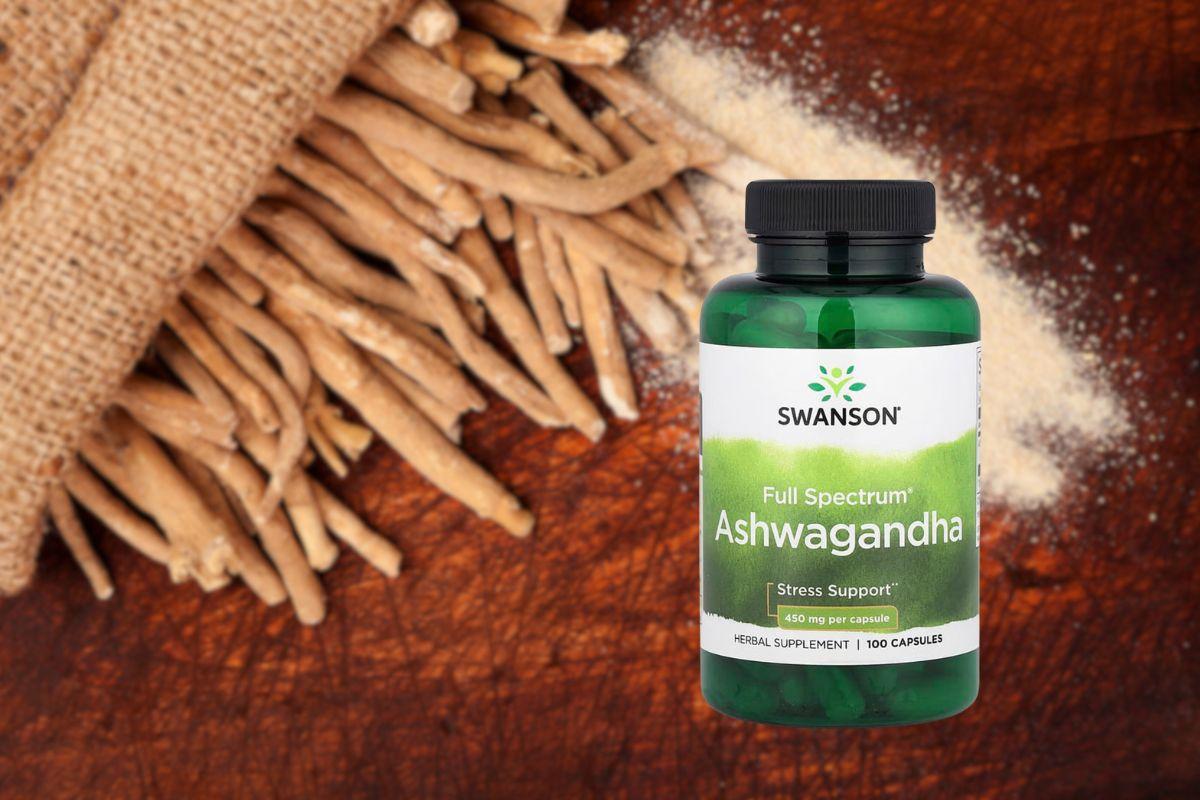
In a supplement market overflowing with trendy formulas and overstated claims, Swanson Full Spectrum Ashwagandha quietly stands out by sticking to time-honored Ayurvedic principles. This 900mg daily formula delivers pure whole-root ashwagandha in a vegan, budget-friendly capsule—designed for those seeking natural support for stress, mood, sleep, and overall resilience. But how does it actually perform in the real world, and is the full-spectrum approach really worth it? This in-depth 2025 review explores the science, benefits, and user experiences behind one of the most accessible adaptogenic supplements on the market.
What is Swanson Full Spectrum Ashwagandha?
Swanson Premium Full Spectrum Ashwagandha delivers a whole-root approach to herbal supplementation, capturing the complete profile of beneficial compounds present in the ashwagandha plant (Withania somnifera). Each vegetarian capsule contains 450mg of pure ashwagandha root, providing a substantial 900mg daily serving when following the recommended two-capsule protocol.
The term “full spectrum” indicates that this formulation utilizes the entire root rather than isolating specific compounds. This holistic approach aligns with traditional Ayurvedic medicine practices that have utilized the complete plant material for centuries. While standardized extracts focus on delivering consistent amounts of specific bioactive compounds (typically withanolides), full spectrum formulations aim to preserve the natural synergy between all plant constituents.
Swanson’s commitment to quality is evident in their Non-GMO, Gluten-Free, and Vegan certifications. The capsules are made from hypromellose, a plant-derived material suitable for vegetarians and vegans. Additional ingredients are minimal, including only rice flour and magnesium stearate as necessary binding agents.
Manufactured by Swanson Health Products, a company with decades of experience in the supplement industry, this ashwagandha supplement undergoes rigorous quality control testing. The compact bottle (approximately 10.9 x 5.3 x 5.3 cm) contains 100 capsules, providing a 50-day supply at the recommended dosage.
The Science Behind Ashwagandha’s Adaptogenic Properties
Ashwagandha contains numerous bioactive compounds, with withanolides being the most extensively studied for their therapeutic potential. These naturally occurring steroidal lactones contribute significantly to the plant’s adaptogenic effects. Though Swanson’s Full Spectrum formula is not standardized to a specific withanolide content, it maintains the natural ratio of compounds found in the whole root.
Research has demonstrated ashwagandha’s ability to modulate cortisol levels—a primary stress hormone—potentially explaining its stress-reducing effects. Clinical studies show that ashwagandha supplementation can decrease cortisol levels by approximately 28% in chronically stressed individuals. These findings support the traditional Ayurvedic classification of ashwagandha as a “rasayana,” or rejuvenating herb.
The distinction between full spectrum and standardized formulations becomes important when considering ashwagandha’s mechanisms of action. Standardized extracts, like Swanson’s alternative offering with 2.5% withanolides, provide consistent potency with each dose. However, full spectrum formulations maintain the natural ratios of all compounds, potentially preserving synergistic interactions that may be lost during standardization processes.
Modern research now validates many traditional Ayurvedic applications of ashwagandha. Beyond stress reduction, studies suggest benefits for immune function, cognitive performance, and inflammatory response. As an adaptogen, ashwagandha helps regulate physiological systems, promoting balance regardless of whether stressors tend to overstimulate or depress normal function.
Key Benefits of Swanson Full Spectrum Ashwagandha
Stress management stands as perhaps the most research-supported benefit of ashwagandha supplementation. By modulating the hypothalamic-pituitary-adrenal (HPA) axis, ashwagandha may help normalize cortisol secretion patterns disrupted by chronic stress. This regulatory effect often translates to subjective feelings of increased resilience and reduced overwhelm during challenging situations.
Mood enhancement frequently accompanies stress reduction, with multiple studies documenting ashwagandha’s potential anxiolytic (anxiety-reducing) properties. Research participants receiving ashwagandha have reported significant reductions in anxiety scores compared to placebo groups. This calming effect appears to occur without sedation, potentially allowing for improved emotional balance without compromising alertness.
Immune system support represents another key benefit, reflecting ashwagandha’s traditional role in promoting overall vitality. The herb appears to modulate immune function bidirectionally—potentially boosting activity when needed while tempering excessive immune responses that could lead to inflammation.
Sleep quality improvements consistently appear in user reports, with many noting easier sleep onset and more refreshing rest. This benefit likely stems from ashwagandha’s stress-reducing properties, as elevated evening cortisol commonly interferes with natural sleep architecture.
Additional reported benefits include enhanced energy levels, improved focus, and potential hormonal balancing effects. Some studies suggest modest improvements in testosterone levels in men and regulation of various hormonal parameters in women, though these effects require further research for full validation.
How to Take Swanson Ashwagandha for Optimal Results
The recommended dosage for Swanson Full Spectrum Ashwagandha is two capsules taken once or twice daily, delivering 900-1800mg of ashwagandha root per day. Each capsule should be taken with water for proper absorption, and many users find taking with food helps prevent potential mild digestive discomfort.
Timing considerations vary based on individual goals. Morning administration generally supports daytime stress management and energy regulation. Evening doses approximately 1-2 hours before bedtime may enhance relaxation and sleep quality. Those seeking comprehensive support may benefit from splitting their dosage between morning and evening.
Absorption can be optimized by considering several factors. Taking ashwagandha with a small amount of healthy fat may enhance the absorption of fat-soluble compounds. Combining with black pepper or a supplement containing piperine might further improve bioavailability, though Swanson’s formula does not include these additions.
For long-term use, many practitioners recommend cycling protocols to prevent adaptation and maintain effectiveness. Common approaches include taking ashwagandha for 6-8 weeks followed by a 2-week break before resuming. This pattern may help prevent diminishing returns that sometimes occur with continuous adaptogen use.
Complementary supplements that may enhance ashwagandha’s benefits include magnesium (for additional stress support), vitamin B complex (for energy metabolism), and rhodiola rosea (for synergistic adaptogenic effects). However, interactions should be considered when combining multiple supplements.
Who Should Consider Swanson Ashwagandha (And Who Shouldn’t)
Ideal candidates for ashwagandha supplementation include individuals experiencing moderate stress, those with occasional sleep difficulties, and people seeking natural immune support. Professionals in high-pressure environments often report significant benefits, as do students during examination periods. Adults looking to support general resilience and well-being may also find ashwagandha valuable as part of a comprehensive health regimen.
Pregnant and nursing women should avoid ashwagandha, as insufficient safety data exists for these populations. Traditional Ayurvedic texts actually classify ashwagandha as having potential abortifacient properties, further supporting this cautionary stance.
Medication Interactions
Several medication interactions warrant consideration before starting ashwagandha. The herb may enhance the effects of sedatives, thyroid medications, immunosuppressants, and blood glucose-lowering agents. Those taking these medications should consult healthcare providers before beginning supplementation.
Individuals with certain thyroid conditions should approach ashwagandha with caution. While some studies suggest benefits for hypothyroidism, the herb’s potential stimulating effect on thyroid hormone production means those with hyperthyroidism or on thyroid medication need medical guidance before use.
As a general guideline, consulting with a healthcare provider before beginning any new supplement regimen represents best practice, especially for those with pre-existing health conditions or those taking prescription medications.
Swanson Full Spectrum vs. Other Ashwagandha Formulations
Swanson offers both this Full Spectrum formula and a standardized extract version containing 2.5% withanolides (providing 11.25mg per 450mg capsule). The standardized option delivers consistent potency with each dose, while the Full Spectrum version preserves natural compound ratios but may vary slightly in potency between batches.
The price-to-value ratio strongly favors Swanson when compared to competitors. At $7.79 for 50 servings (100 capsules), this translates to approximately $0.16 per day at the basic recommended dosage—significantly less than many competing products that often cost $0.50-1.00 per day for similar dosages.
Whole root formulations like Swanson’s Full Spectrum product differ from root-and-leaf combinations increasingly appearing in the market. While root-only preparations align with traditional Ayurvedic practices, some modern research suggests leaf material may contain additional beneficial compounds. However, most clinical research has utilized root-only preparations.
Various delivery methods offer different advantages. Capsules like Swanson’s provide convenience and eliminate the strong, earthy taste that makes ashwagandha powders unpalatable for many users. Tinctures offer rapid absorption but typically deliver lower total doses of active compounds. For those prioritizing convenience and value, capsules generally represent the optimal balance.
Swanson implements comprehensive quality assurance practices, including identity testing of raw materials, microbial screening, and checks for heavy metals and other contaminants. While not the most expensive brand, their testing protocols meet industry standards for safety and purity.
The Ashwagandha Advantage: Your Path to Natural Wellness
Swanson Full Spectrum Ashwagandha offers a rare combination of authenticity, affordability, and effectiveness. Its commitment to the full-root philosophy honors Ayurvedic tradition while delivering real-world benefits—from stress reduction and improved sleep to mood and immune support. While it may not boast the highest withanolide concentration, its holistic profile appeals to those seeking gentle, consistent balance without breaking the bank. For anyone looking to incorporate a reliable, well-reviewed adaptogen into their routine, Swanson’s formula earns a well-deserved spot on your natural wellness shelf—especially when used consistently over time.