The intersection of StockX and Air Jordan 1 represents perhaps the most significant relationship in modern sneaker reselling. When I first entered the sneaker market in 2017, I was immediately struck by how the Air Jordan 1 dominated StockX’s transaction volume. Today in 2025, this iconic silhouette continues to be the backbone of StockX’s business model, with over 500,000 Air Jordan 1 transactions processed monthly. The shoe that once retailed for $65 in 1985 now regularly commands four-figure resale prices on the platform. This comprehensive guide examines everything you need to know about navigating the StockX marketplace for Air Jordan 1s – whether you’re buying your first pair, building an investment portfolio, or looking to maximize returns as a seller.
History & Legacy of the Air Jordan 1
The Air Jordan 1 debuted in 1985, designed by Peter Moore specifically for Michael Jordan with an original retail price of $65. This revolutionary basketball shoe quickly transcended its athletic origins to become a cultural phenomenon. The “Bred” (black/red) colorway gained particular notoriety when it was reportedly “banned” by the NBA for violating uniform rules. While the actual fine story relates to a predecessor shoe, this marketing narrative fueled unprecedented consumer demand and helped establish the sneaker’s rebellious image.
The controversial colorway became synonymous with breaking boundaries, much like Jordan himself did on the court. This foundation story has become sneaker folklore, cementing the Air Jordan 1’s place in sports and fashion history as more than footwear—it’s a cultural artifact representing defiance and innovation.
Heritage & Cultural Impact
The Air Jordan 1 stands as the cornerstone of modern sneaker collecting and essentially launched the secondary market as we know it today. This single silhouette fundamentally altered how consumers view athletic footwear, transforming sneakers from purely functional items into coveted collectibles and investment pieces.
The Jordan 1 consistently dominates reselling platforms like StockX in both volume and cultural significance. Its influence extends throughout fashion, music, sports, and streetwear, serving as a canvas for some of the most sought-after collaborations in the industry. The silhouette’s versatility and timeless design have allowed it to remain relevant through decades of changing trends, establishing it as perhaps the most influential sneaker design of all time.
Fit & Sizing Considerations
The Air Jordan 1 fits true to size across its High, Mid, and Low versions, providing consistent sizing for collectors. However, individual foot anatomy does affect the optimal fit. Those with narrower feet may consider going down half a size for a more secure feel, while wide-footed wearers might benefit from sizing up half a size to ensure comfort.
The leather upper tends to break in and mold to the wearer’s foot over time, which creates a personalized fit that improves with wear. This characteristic has contributed to the sneaker’s reputation for comfort despite its relatively simple cushioning compared to modern basketball shoes.
Model Variants and Versions
High, Mid, and Low Cuts
The Air Jordan 1 lineup features three primary cuts, each with distinct characteristics:
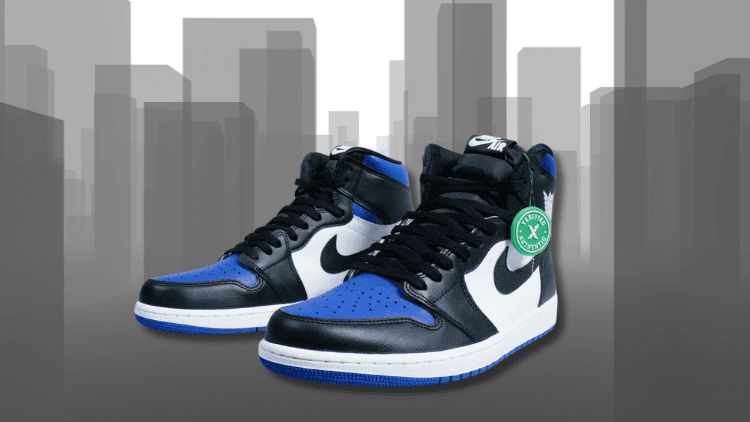
The High OG variant maintains the original 1985 specifications, including quality leather construction, authentic stitching patterns, and the iconic Wing logo placement. This version represents the purest expression of the original design vision.
The Mid version emerged in the 2000s as a lifestyle-oriented alternative, offering more accessible pricing while maintaining the essence of the Jordan 1 aesthetic. Once overlooked by serious collectors, Mids have gained significant popularity in recent years.
The Low cut provides a summer-friendly alternative that has developed its own dedicated following.
Specialized Variants
Beyond the standard cuts, Nike has developed several specialized versions:
The Zoom CMFT incorporates enhanced padding and Zoom Air cushioning technology for improved comfort during extended wear.
Fashion-forward interpretations include the Brooklyn Platform boot and the Women’s Low Elevate with platform soles, adapting the classic silhouette for contemporary fashion sensibilities.
Colorways & Collaborative Editions
Original Classics
The Jordan 1’s most revered colorways remain the original releases from the 1980s, including:
- “Bred/Banned” (black and red)
- “Chicago” (white, black, and red)
- “Royal” (black and royal blue)
- “Black Toe” (white, black, and red with black toe box)
- “Shadow” (black and grey)
- “UNC” (white and Carolina blue)
These foundational colorways continue to command premium prices and generate massive excitement with each rerelease.
Notable Collaborations
The Jordan 1 has served as the foundation for groundbreaking collaborations that have redefined sneaker culture:
Virgil Abloh’s OFF-WHITE “Chicago” deconstructed the iconic silhouette, creating one of the most coveted sneakers in history. The Dior collaboration merged luxury fashion with streetwear in unprecedented ways. Other significant partnerships include the Doernbecher Freestyle series, Aleali May’s distinctive women’s designs, Public School New York’s sophisticated take, and the playful Gatorade “Like Mike” collection.
Each collaborative edition adds new chapters to the Jordan 1 legacy while driving extraordinary resale demand.
Retail & Resale Value Analysis
The Jordan 1 spans a wide price range across its various models. Current retail pricing begins at approximately $110 for Low versions, with Mids positioned at $120-130, and High OG versions starting around $180. Limited editions and special releases often command higher retail prices, with premium collaborations reaching extraordinary levels—the Dior × Jordan 1 initially retailed for $2,000.
The resale marketplace for Jordan 1s is remarkably robust, with StockX serving as a primary platform due to its authentication services and transparent pricing model. Many Jordan 1 releases consistently rank among StockX’s highest-volume sellers. The “Blue Chill UNC” colorway alone has sold over 20,000 units on the platform, placing it among the most traded sneakers in StockX’s history.
Why Jordan 1s Dominate Resale Markets
Several factors contribute to the Jordan 1’s exceptional resale performance. Limited availability creates natural scarcity, while iconic colorways maintain consistent demand regardless of current trends. High-profile collaborations introduce innovation while respecting the silhouette’s heritage, creating “grail” status for certain releases.
Condition significantly impacts value, with deadstock (unworn) pairs commanding substantial premiums. Provenance and packaging completeness also affect market values, particularly for vintage pairs and special editions.
The Jordan 1 consistently anchors what StockX describes as the “Jordan 1 bull market”—a phenomenon where the sneaker’s cultural and collectible relevance sustains and often increases resale values over time, defying typical depreciation patterns of consumer goods.
Market Outlook: The Future of Jordan 1s on StockX
The Air Jordan 1’s position on StockX appears unshakeable even as we move through 2025. With Nike’s continued strategy of controlled scarcity alongside periodic retros of classic colorways, the model maintains its dominant market position. StockX transaction data indicates that while overall sneaker resale margins have compressed, premium Jordan 1 releases still command 30-40% returns for early sellers. The platform’s authentication process, despite occasional controversies, remains the industry standard that gives buyers confidence to pay premium prices for authentic products. Whether you’re a collector, investor, or casual enthusiast, understanding the unique relationship between StockX and Air Jordan 1 is essential to navigating today’s sneaker marketplace successfully.