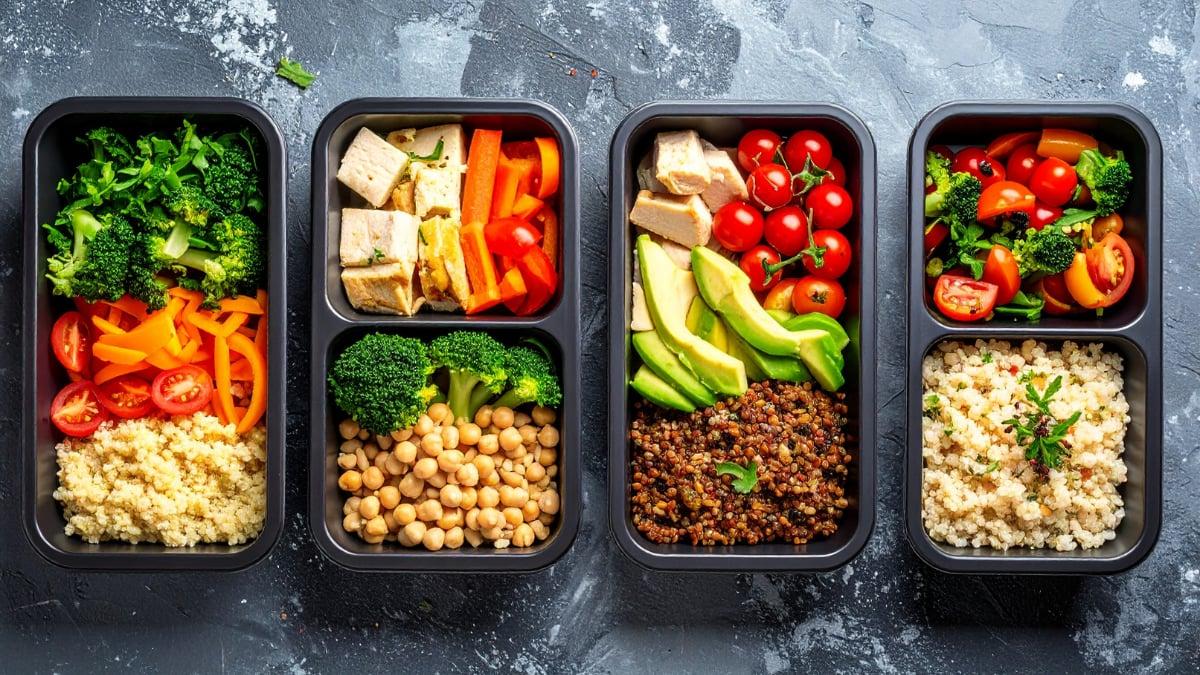
Eating well during a packed week gets much easier when cooking doesn’t take up your evening. Healthy prepared meals on CookUnity give you access to fresh, chef-prepared dishes that arrive fully cooked and only need reheating.
Instead of buying ingredients, chopping vegetables, and cleaning several pans, you can choose meals based on calories, protein, carbohydrates, sodium, and dietary preferences.
Still, the entire CookUnity menu shouldn’t automatically be treated as health-focused. Nutritional values vary considerably from dish to dish, so choosing carefully matters.
CookUnity’s filters make that process easier, especially when you have specific nutrition goals. This guide breaks down the useful categories, practical advantages, costs, and limitations so you can decide if the service fits your routine.
Healthy Prepared Meals on CookUnity: What Are Your Options?
CookUnity is a prepared meal delivery service rather than a traditional meal kit. Your meals arrive fresh and fully cooked, so there are no ingredients to measure or recipes to prepare. You simply follow the chef’s heating instructions for the microwave or oven.
CookUnity says its meals are prepared in local kitchens and delivered fresh rather than frozen. The company currently offers hundreds of rotating dishes, although exact menu availability depends on your location.
The biggest advantage for health-conscious customers is the ability to filter that large menu according to specific nutrition preferences.
Protein Boost Meals
CookUnity’s Protein Boost category includes meals containing at least 30 grams of protein per serving.
This filter can be useful if you’re looking for high-protein prepared meals to support your daily protein target, training routine, or simply a more protein-focused eating pattern.
Examples CookUnity has featured include:
- Falafel-Crusted Baked Salmon with roasted vegetables and tahini sauce
- Grilled Chicken Kale Caesar
- Other chicken, seafood, and meat-based dishes that meet the Protein Boost threshold
The 30-gram minimum also saves you from opening the nutrition panel for every meal simply to find higher-protein choices.
Calorie Smart Meals
If calories are one of your priorities, the Calorie Smart collection narrows the menu to meals containing less than 600 calories.
These low-calorie prepared meals can make portion and calorie tracking simpler because each dish comes as an individual serving with nutritional information provided.
Still, calorie count alone doesn’t tell you everything about a meal’s nutritional quality. Look at protein, fiber, sodium, saturated fat, and the ingredients alongside total calories when comparing dishes.
Carb Control Meals
CookUnity’s Carb Control meals contain less than 35 grams of carbohydrates per serving.
This category can be helpful if you follow a lower-carbohydrate eating pattern or simply want greater control over your carbohydrate intake.
CookUnity also offers a Keto category with meals containing less than 20 grams of carbohydrates and a higher proportion of fat.
Those two filters serve different needs, so checking the full nutrition label remains useful before adding a dish to your weekly order.
Sodium Wise Meals
CookUnity’s Sodium Wise category includes meals containing less than 700 mg of sodium per serving.
For people actively watching sodium intake, this filter offers a convenient starting point. CookUnity also publishes complete nutritional information for individual dishes, so you can compare meals rather than relying only on the category name.
If you’re following a medically prescribed sodium limit, check each label against the guidance provided by your healthcare professional.
Mediterranean, Vegetarian, and Vegan Options
CookUnity also provides filters for different eating patterns and dietary preferences.
Its Mediterranean selections generally emphasize plant-based proteins and healthy fats while limiting dairy and grains. Vegetarian and vegan options provide additional choices for people who want fewer or no animal products.
Other available dietary filters can include:
- Gluten-free or no-gluten-added options
- Dairy-free choices
- Paleo meals
- Keto meals
- Low-carb dishes
- High-protein meals
- Vegetarian meals
- Vegan meals
CookUnity says it offers more than 25 dietary filters on its diet-focused service pages, though the dishes available to you can change with the rotating menu.
How Nutritious Are CookUnity Meals?
CookUnity provides nutrition information for individual meals, which makes it easier to compare dishes before ordering. Its healthcare programs also use registered dietitians and clinical nutrition standards for condition-specific meal programs.
For a regular consumer order, however, it’s important to distinguish nutrition-focused collections from the entire CookUnity menu.
The broader menu includes everything from lighter dishes to richer restaurant-style meals.
CookUnity’s own current healthy-meal page, for example, displays meals ranging from a 370-calorie option to a 1,050-calorie BBQ chicken dish.
That range illustrates an important point: you need to select meals based on your own nutrition goals rather than assuming every CookUnity dish has a similar nutritional profile.
A simple strategy is to check:
- Calories per serving
- Protein
- Carbohydrates
- Sodium
- Saturated fat
- Ingredients and allergens
- Vegetable content and side dishes
Using those details can help you build a more balanced meal delivery order instead of choosing solely by meal photos or names.
How Much Do CookUnity Meals Cost?
CookUnity’s official website currently lists meals starting at $12.59 per meal, before promotional discounts. Pricing can vary based on plan size, location, promotions, and other ordering factors.
You can select between 4 and 16 meals per week and change your plan size. CookUnity also allows customers to skip, pause, or modify their plans.
That flexibility can be useful if you only need fresh prepared meals for busy workdays rather than every meal of the week.
Still, CookUnity generally costs more than cooking similar dishes from scratch. The tradeoff is that you’re paying for ingredients, chef preparation, portioning, packaging, and delivery while removing much of the time associated with meal planning and cooking.
What Makes CookUnity Convenient?
Convenience is one of CookUnity’s clearest strengths.
The meals arrive fully prepared, so you don’t need to:
- Plan a recipe
- Shop for its ingredients
- Chop and prep food
- Cook a full meal
- Clean multiple pots and pans
CookUnity says meals can typically be heated within minutes, and every dish includes chef-specific heating instructions.
Microwaving is usually the quickest route. An oven may be worth the extra time for dishes where texture matters, particularly roasted proteins, vegetables, and foods that benefit from crisp edges.
Can You Mix Different Nutrition Categories?
Yes. You don’t have to build your entire weekly order around one dietary category.
For example, your weekly selection could include:
- Protein Boost meals after training days
- Calorie Smart meals for lighter lunches
- Mediterranean dishes for variety
- Vegetarian options a few days each week
- Carb Control meals when they better match your nutrition plan
This flexibility is useful if your goal isn’t to follow a rigid diet. It also makes CookUnity practical for people who prioritize several nutritional factors instead of one strict eating pattern.
Key Benefits of Choosing Health-Focused CookUnity Meals
CookUnity has several practical strengths if nutrition and convenience are both priorities.
Clear Nutrition Filters
Defined thresholds for Protein Boost, Calorie Smart, Carb Control, Sodium Wise, and Keto meals make a very large menu easier to navigate.
Detailed Nutrition Information
You can check individual nutritional values before selecting a meal instead of relying on broad claims such as “healthy.”
Chef-Driven Variety
CookUnity’s network includes around 100 professional chefs, and the company currently advertises up to 400+ meal choices across its broader service.
That scale can help prevent the repetitive menu problem common with some healthy meal delivery programs.
Minimal Preparation
Meals arrive fresh and fully cooked. Heating replaces most of the work associated with making lunch or dinner from scratch.
Flexible Weekly Plans
Limitations You Should Consider
CookUnity offers useful nutrition filters, but there are a few tradeoffs worth considering.
Not Every Meal Is Nutrition-Focused
Some meals can be significantly higher in calories, sodium, carbohydrates, or saturated fat than others. The nutrition-focused filters are valuable precisely because the overall menu covers such a broad range of dishes.
A Large Menu Requires More Decision-Making
Hundreds of options sound convenient, but they can create extra work if you’re carefully tracking nutrition.
Filtering first and comparing labels second is usually more efficient than browsing the full menu.
Vegetable Portions Can Vary
Side dishes and vegetable quantities differ by recipe. If increasing vegetable intake is important to you, check the meal description and consider keeping simple vegetables, salads, or fruit at home to round out dishes when needed.
Prepared Meals Cost More Than Home Cooking
Starting at $12.59 per serving, regular CookUnity orders can add up quickly compared with batch cooking at home.
The service makes more financial sense when the time savings and convenience are valuable enough to justify the added expense.
Dietary Filters Don’t Replace Medical Advice
A category such as Sodium Wise, Keto, or Calorie Smart doesn’t guarantee that a dish fits every medical or therapeutic diet.
If you’re managing a health condition or following a prescribed nutrition plan, compare the complete meal information with the targets given by your doctor or registered dietitian.
Who May Get the Most Value From CookUnity?
CookUnity may be particularly useful if you:
- Have limited time for weekday cooking
- Want individually portioned meals
- Track calories, protein, carbs, or sodium
- Prefer chef-prepared food over conventional diet meals
- Want several dietary categories in one weekly order
- Like changing cuisines and dishes frequently
- Need only a few prepared meals each week
- Want nutrition labels available before choosing meals
It may be less appealing if your primary goal is minimizing food costs, you prefer cooking every meal yourself, or you require tightly controlled clinical nutrition.
How to Choose Healthier CookUnity Meals
You can make CookUnity work more effectively for your nutrition goals with a simple selection process.
1. Start With the Right Filter
Choose Protein Boost, Calorie Smart, Carb Control, Sodium Wise, Mediterranean, vegetarian, vegan, or another category that matches your main goal.
2. Compare the Nutrition Labels
Don’t stop at the filter. Compare calories, protein, carbohydrates, saturated fat, and sodium among several dishes.
3. Look at the Whole Plate
Check what comes with the protein. Vegetables, whole grains, legumes, and other nutrient-dense sides can make a meaningful difference to the overall meal.
4. Think About Your Entire Day
A 600-calorie dinner may fit comfortably into one person’s eating pattern and poorly into another’s. Consider how each dish fits with your other meals and snacks.
5. Use Variety Strategically
Mixing seafood, poultry, plant-based proteins, vegetables, grains, and different cuisines can make weekly meals more interesting while giving you a broader range of foods.
Are Healthy Prepared Meals on CookUnity Worth Trying?
CookUnity’s strongest advantage is the combination of chef-prepared variety, convenience, and detailed nutrition filters.
The service gives you useful tools for finding meals based on protein, calories, carbohydrates, sodium, and dietary patterns. Meals arrive fresh and fully cooked, and weekly plans can contain between 4 and 16 meals.
The main consideration is selection. CookUnity’s full menu includes lighter nutrition-focused dishes alongside richer restaurant-style choices.
Checking the nutrition information on each meal is therefore important if you have specific targets.
If convenience, variety, and access to nutrition information matter more to you than getting the lowest possible cost per serving, CookUnity could be worth exploring.
Start with the filters that match your goals, compare a few labels, and build your first order around meals that genuinely fit your routine.
Frequently Asked Questions
Are CookUnity meals healthy?
Some CookUnity meals are specifically designed around nutrition goals, including Calorie Smart, Protein Boost, Carb Control, Sodium Wise, Mediterranean, and other dietary categories.
The full menu varies considerably, so check each meal’s nutrition information before ordering.
Does CookUnity have low-calorie meals?
Yes. CookUnity’s Calorie Smart meals contain fewer than 600 calories per serving. Individual calorie counts are displayed with meal information.
Does CookUnity offer high-protein meals?
Does CookUnity have low-carb meals?
Yes. Carb Control meals contain fewer than 35 grams of carbohydrates per serving. CookUnity also offers Keto selections containing fewer than 20 grams of carbohydrates.
Does CookUnity offer low-sodium meals?
Yes. CookUnity’s Sodium Wise category contains meals with less than 700 mg of sodium per serving. Check individual nutrition labels if you need to follow a specific sodium target.
Are CookUnity meals fresh or frozen?
CookUnity states that its consumer meals are delivered fresh rather than frozen. They arrive fully prepared and include heating instructions.
How many CookUnity meals can you order each week?
CookUnity currently offers plans ranging from 4 to 16 meals per week. Customers can also skip, pause, or change their plan size.
How much does CookUnity cost?
CookUnity currently advertises meals starting at $12.59 each, before promotional discounts. Your actual cost can depend on plan size, location, and available offers.
Do you have to cook CookUnity meals?
No cooking from scratch is required. The meals arrive fully prepared and are designed to be reheated according to the chef’s instructions.
Can CookUnity work for weight-management goals?
CookUnity’s portioned meals and Calorie Smart filter can make calorie tracking easier.
Results still depend on your overall diet, energy needs, activity, and other factors, so the service itself shouldn’t be treated as a weight-loss program.