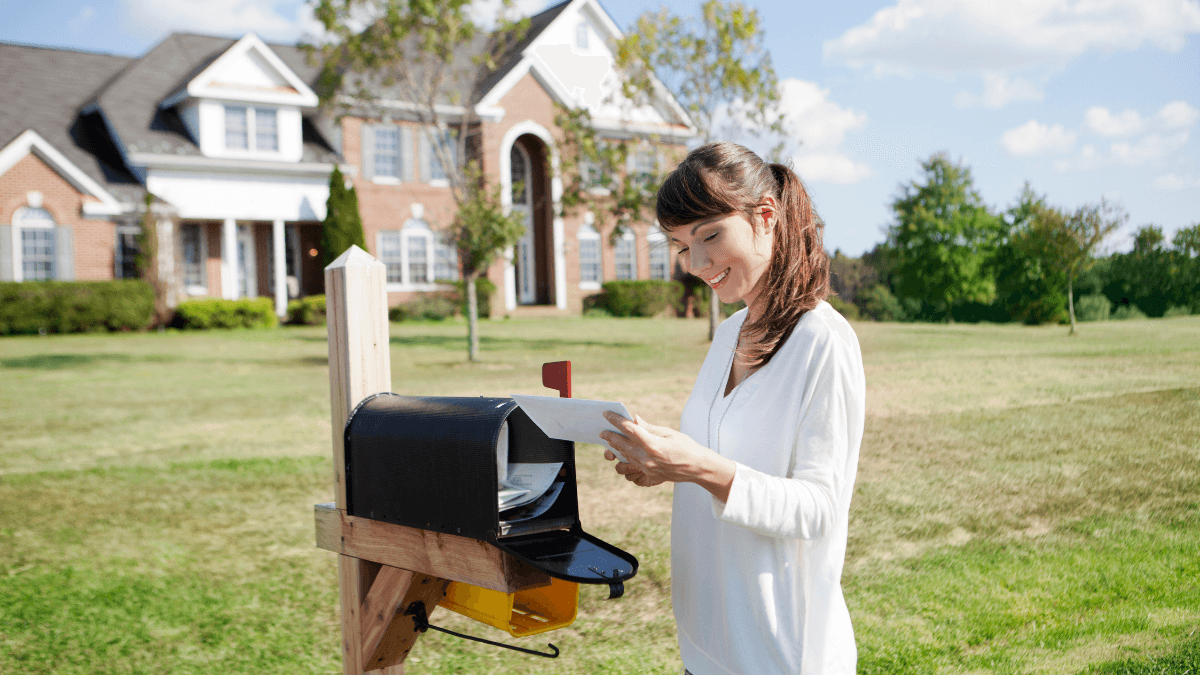
Direct mail can help businesses reach customers with physical marketing materials delivered directly to homes or workplaces. But sending postcards or letters alone doesn’t make a campaign effective. Successful planning starts with a specific objective, a relevant audience, a clear message, and a measurable next step.
Here are practical ways to create a more focused direct mail campaign.
Define a Specific Campaign Goal
Before designing anything, determine exactly what you want the mailing to accomplish.
Your goal might be to introduce a service, promote an event, encourage appointment requests, announce a new location, or reconnect with existing customers. Trying to communicate several unrelated objectives at once can weaken the message.
A defined goal also makes it easier to decide which results you’ll track.
Target the Right Audience
The quality of your mailing list can significantly influence campaign performance.
Depending on your objective, you might target existing customers, previous customers, appropriate prospects, or households and businesses within specific geographic areas. A local business, for example, generally benefits from concentrating on locations it actually serves.
Regularly remove duplicate records and correct outdated addresses to avoid unnecessary printing and postage costs.
Choose the Right Mail Format
Match the format to the amount of information you need to communicate.
Postcards work well for concise messages because recipients can see the content immediately. Letters provide more space for explanations, while flyers and folded mailers can accommodate other campaign needs.
Consider printing costs, postage, presentation, and how recipients are likely to interact with the piece.
Write a Clear, Focused Message
Your headline should quickly communicate why the mailing deserves attention. Avoid complicated wording that requires readers to search for the main point.
Follow the headline with information directly relevant to the recipient. Headings, short paragraphs, and a clear visual structure can make longer pieces easier to scan.
Keep prices, dates, promotional conditions, and other important details accurate and easy to understand.
Include One Clear Call to Action
Tell recipients exactly what they can do next.
You might encourage them to visit a webpage, make an appointment, call, register for an event, or visit a location. The action should be prominent and easy to follow.
Too many competing calls to action can make the campaign’s purpose less clear.
Connect Print With Digital Channels
QR codes can direct recipients to landing pages, appointment forms, event registrations, menus, or other relevant online destinations.
If you use one, make sure the destination is mobile-friendly and directly related to the campaign. Test the code from a printed sample before production.
A dedicated landing page can also make the transition from the printed piece to the online experience more consistent.
Keep the Design Easy to Read
Good design supports your message rather than competing with it.
Use typography, spacing, imagery, and visual hierarchy to make the headline, essential information, and call to action easy to locate. Avoid overly small text, weak contrast, crowded layouts, and too many typefaces.
Remember to account for mailing labels, postal markings, folds, trim areas, and other production requirements.
Plan Timing and Postal Requirements
Review mailing specifications before finalizing your design. Dimensions, weight, shape, addressing, and preparation can affect postage and mailing eligibility.
Timing also matters. Allow enough time for printing and delivery, particularly when promoting an event, seasonal campaign, or another time-sensitive message.
Test Before Scaling Up
When practical, start with a smaller mailing before committing to a much larger campaign.
You can test different headlines, designs, audience segments, offers, or calls to action. Changing only a limited number of variables at once can make the results easier to interpret.
Use what you learn to improve subsequent campaigns.
Track More Than Response Rate
Determine how you’ll measure performance before the mailing goes out.
Depending on your goal, you might track:
- Website visits
- Calls or inquiries
- Appointments
- Registrations
- Purchases
- Promotional code usage
Unique QR codes, landing pages, URLs, or campaign codes can help distinguish direct mail responses from other marketing activity.
Response rate alone doesn’t tell the entire story. Cost per response, conversions, customer acquisition costs, and the quality of resulting leads may provide additional insight.
Use Each Campaign to Improve the Next
After the campaign ends, compare the results with your original objective. Record the audience, message, format, timing, offer, and response so you have useful information for future planning.
Direct mail works best when it’s built around a relevant audience and a clear purpose. Instead of simply sending more pieces, focus on improving targeting, readability, timing, and measurement.
Over time, your own campaign results can help you determine which approaches deserve further investment.