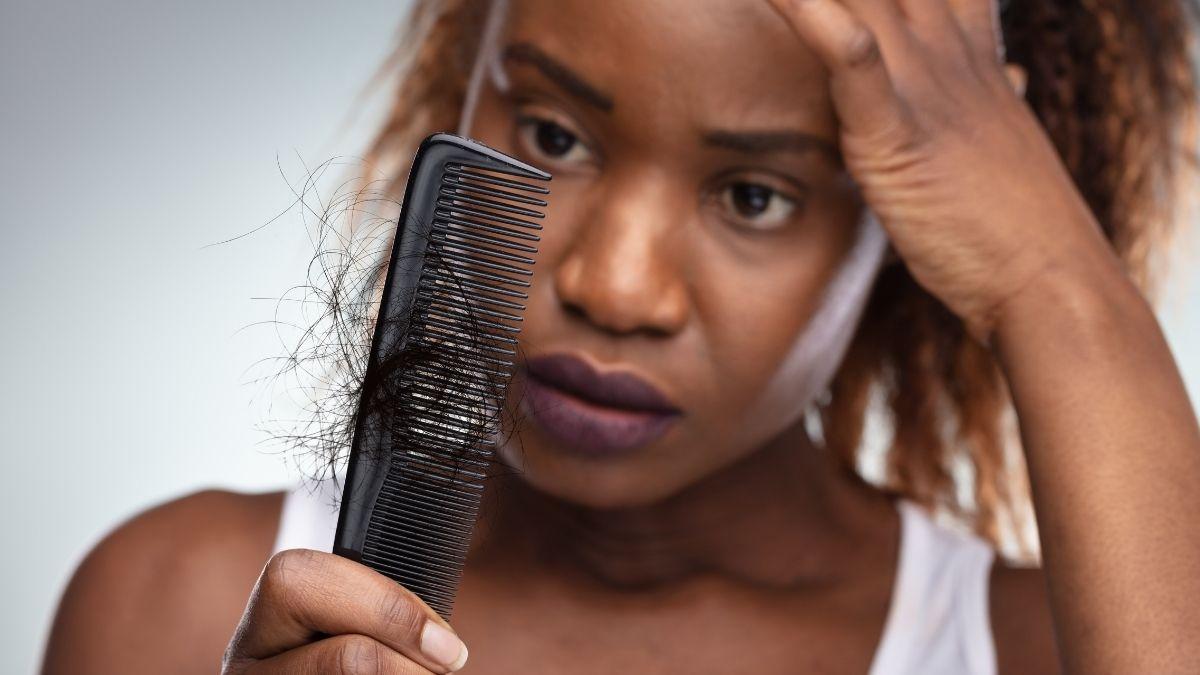
Losing more hair than usual can be upsetting, but you’re not alone. Hair thinning affects women of all ages and can happen for many different reasons. While some causes are temporary, others may require long-term management. The good news is that identifying what’s contributing to your hair loss is the first step toward finding the right solution.
Whether you’ve noticed a widening part, increased shedding, or reduced hair volume, understanding the potential causes can help you make informed decisions about your hair health.
Hormonal Changes
Hormones have a significant influence on your hair growth cycle. Changes in hormone levels can cause more hair follicles to enter the shedding phase, resulting in noticeable thinning.
Common hormonal triggers include:
- Pregnancy and postpartum recovery
- Menopause
- Thyroid disorders
- Polycystic ovary syndrome (PCOS)
If your hair loss coincides with major hormonal changes, it’s worth discussing your symptoms with a healthcare provider to determine the underlying cause.
Female Pattern Hair Loss
Female pattern hair loss, also known as androgenetic alopecia, is the most common type of hair loss in women. It typically develops gradually and is often linked to genetics.
Unlike male pattern baldness, women usually experience:
- A widening part
- Thinning around the crown
- Overall reduction in hair density
- Preservation of the frontal hairline
Although this condition tends to progress over time, early treatment may help slow further hair loss and support healthier growth.
Stress and Lifestyle Factors
Your body often responds to significant physical or emotional stress by temporarily disrupting the normal hair growth cycle.
This condition, known as telogen effluvium, may occur after:
- Major surgery
- Serious illness
- Childbirth
- Emotional trauma
- Rapid weight loss
- High levels of ongoing stress
The good news is that stress-related hair loss is often temporary. As your body recovers and stress levels improve, normal hair growth may gradually return.
Nutritional Deficiencies
Healthy hair depends on a balanced diet that provides essential nutrients. When your body lacks certain vitamins and minerals, hair growth may slow while shedding increases.
Some of the most common deficiencies associated with hair thinning include:
- Iron
- Protein
- Biotin
- Vitamin D
- Zinc
- Vitamin B12
Eating a nutrient-rich diet or addressing deficiencies under medical guidance can help support stronger, healthier hair.
Hair Damage from Styling
Daily styling habits can also contribute to thinning hair. While these practices may not affect the hair follicle itself, they can weaken hair strands and increase breakage.
Common causes of damage include:
- Frequent heat styling
- Tight ponytails and braids
- Chemical treatments
- Excessive bleaching or coloring
- Harsh shampoos and styling products
Choosing gentler hair care practices can help minimize breakage and improve the appearance of fuller hair over time.
Medical Conditions and Medications
Certain health conditions and medications can interfere with normal hair growth.
Possible contributors include:
- Autoimmune disorders
- Scalp conditions
- Thyroid disease
- Nutritional absorption disorders
- Some antidepressants
- Blood pressure medications
- Chemotherapy and other cancer treatments
If your hair loss begins shortly after starting a new medication or experiencing other health changes, speak with your healthcare provider before making any adjustments.
Signs You Shouldn’t Ignore
Hair loss often develops gradually, making it easy to overlook the early warning signs.
You may notice:
- More hair in your brush or shower drain
- A widening part line
- Reduced hair volume
- A thinner ponytail
- Slower hair growth
- Increased hair breakage
Recognizing these symptoms early gives you a better opportunity to explore treatment options before thinning becomes more noticeable.
Ways to Support Healthier Hair
The most effective approach depends on the underlying cause of your hair loss. A combination of medical guidance and healthy hair care habits often provides the best results.
Helpful strategies may include:
Consider Clinically Proven Treatments
Some topical treatments, such as minoxidil, have been clinically studied for supporting hair regrowth in women experiencing certain types of hair loss. Always follow product instructions and consult a healthcare professional if you have questions.
Maintain a Balanced Diet
Eating enough protein, iron, vitamins, and essential minerals helps provide the nutrients your hair needs to grow and remain strong.
Be Gentle with Your Hair
Limit excessive heat styling, avoid hairstyles that pull tightly on the scalp, and use products suited to your hair type to reduce unnecessary damage.
Prioritize Scalp Health
A clean, healthy scalp creates a better environment for hair growth. Gentle cleansing and appropriate scalp care can help support healthy follicles over time.
Take the First Step Toward Healthier Hair
Female hair loss can have many different causes, from hormonal changes and genetics to nutrition, stress, and everyday styling habits. Understanding what’s contributing to your hair thinning allows you to choose solutions that address the root cause rather than simply covering the symptoms.
If you’ve noticed persistent hair loss or significant changes in your hair’s thickness, consider speaking with a healthcare professional for an evaluation. With the right diagnosis and a consistent hair care routine, you can take meaningful steps toward maintaining healthier, stronger, and fuller-looking hair.